

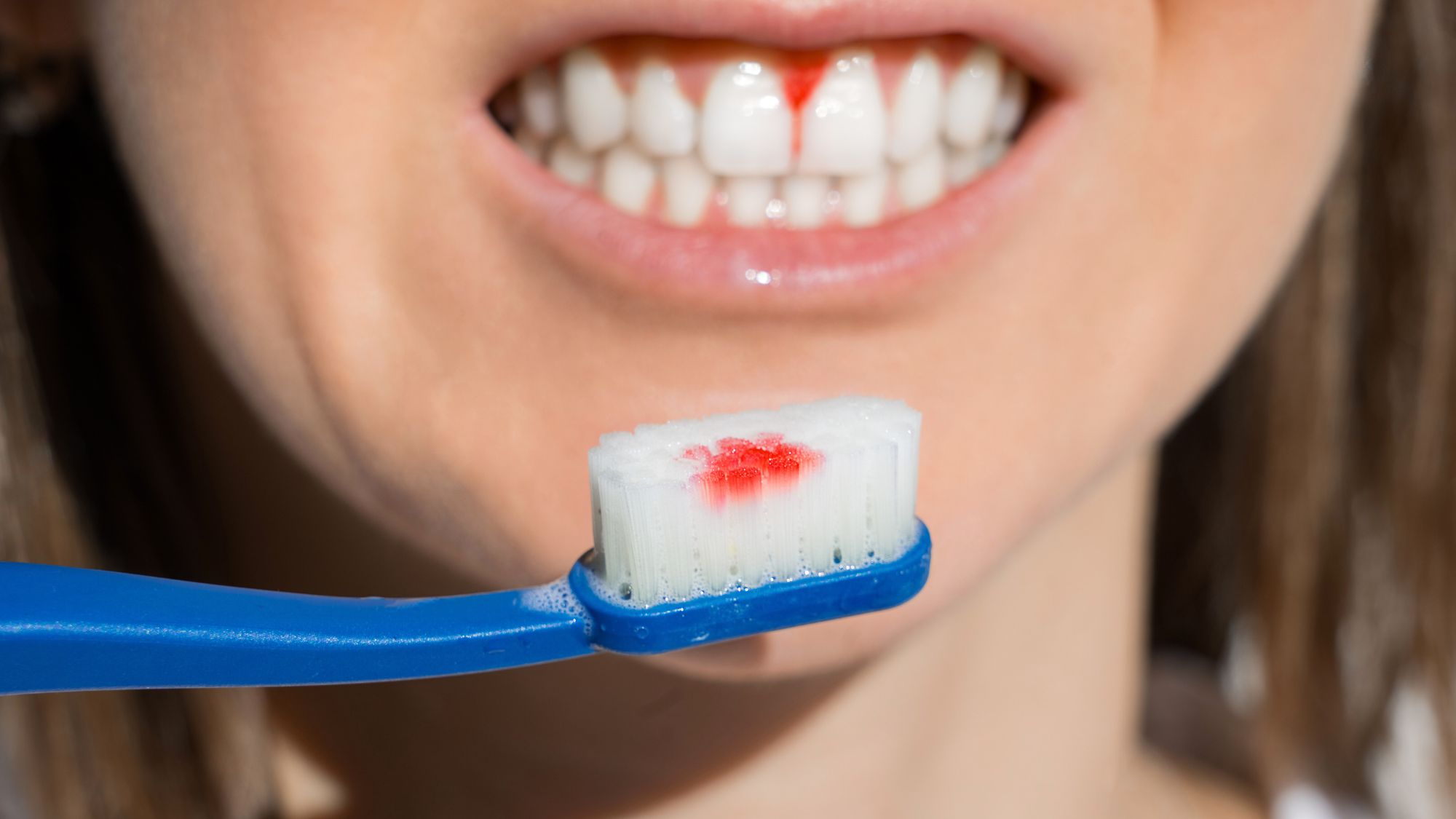
You haven’t eaten anything sharp, and you didn’t hit your mouth. It’s a sight that millions of people experience, yet it almost always triggers a wave of anxiety. Is it a one-time thing? Am I brushing too hard? Or is this the start of something more serious, like tooth loss?
Many people suffer from bleeding gums but choose to overlook the problem until it becomes impossible to ignore due to pain, swelling, or bad breath. The fact of the matter is that gums are not meant to bleed. Bleeding gums are your body’s way of telling you something is wrong.
This guide will provide you with the real reasons gum bleeding occurs, how to treat it effectively, and how to prevent it in the future. The information below is consistent with the latest dental research and recommendations.
Common Reasons for Gum Bleeding
The first step to a cure is to understand the cause. Most cases of gum bleeding are localized and behavior-related, but some are systemic and require further examination.
Plaque Buildup and Gingivitis
The most frequent culprit is gingivitis, the earliest stage of gum disease. It begins with plaque, a sticky, colorless film of bacteria that constantly forms on your teeth. If not removed through brushing, plaque produces toxins that irritate the gum tissue.
Your immune system sends extra blood to the area to fight the bacteria, causing the gums to swell and bleed easily. According to the American Dental Association (ADA), gingivitis is reversible with professional dental cleaning and excellent home care.
Brushing Too Hard or Using a Hard Toothbrush
Many people believe that scrubbing teeth makes them cleaner. In reality, gum tissue is delicate. Using a hard-bristled brush or applying too much pressure can cause toothbrush abrasion, physically tearing the gingival lining.
Clinical studies in the Journal of Clinical Periodontology suggest that soft-bristled brushes are just as effective at plaque removal without the risk of gingival recession.
Flossing After a Long Gap
If you only floss the day before a dental appointment, your gums will likely bleed. This happens because the tissue between the teeth hasn’t been desensitized or cleaned regularly, leading to localized inflammation. Usually, with consistent flossing, this bleeding subsides within 7 to 10 days.
Vitamin Deficiencies
Your gums require certain nutrients to stay strong. Vitamin C is important for tissue repair and collagen production. Vitamin K is vital for correct blood clotting. Insufficiency of either vitamin may cause spontaneous gum bleeding.
A study published in Nutrition Reviews emphasizes that low vitamin C levels are significantly associated with an increased risk of gingival bleeding.
Hormonal Changes
Life stages like pregnancy, puberty, and menopause cause a surge in hormones (progesterone and estrogen). These hormones increase blood flow to the gums, making them hypersensitive to even the smallest amount of plaque. This is commonly referred to as Pregnancy Gingivitis.
Medical Conditions & Medications
Conditions such as Diabetes will weaken the body’s resistance to bacteria, making gum infections more probable. Furthermore, medications such as blood thinners (aspirin, warfarin) or even some antidepressants may raise the risk of bleeding during your oral hygiene routine.
Symptoms That May Accompany Bleeding Gums
Bleeding gums happen rarely by themselves. Check for these signs in your mouth:
- Swollen or Puffy Gums: Gums that look puffy or shiny.
- Red or Darkened Color: Normal gums are a healthy coral pink; infected gums are a deep red or purple.
- Persistent Bad Breath: A metallic taste or smell from sulfur-producing bacteria.
- Gum Recession: Teeth that look longer because the gum line has receded.
- Tenderness: Painful teeth sensitivity to eating hot, cold, or spicy foods.
How to Treat Bleeding Gums
To properly treat bleeding gums, a combination of professional treatment and a complete overhaul of your home oral hygiene routine is necessary.
Improve Your Oral Hygiene Routine
The objective is to break up the biofilm without irritating the tissues.
Use the Bass Method
Angle the brush at 45° toward the gumline and use small, circular vibratory motions. This allows the bristles to reach slightly under the gum flap where bacteria aggregate.
Professional Dental Cleaning (Scaling)
Once plaque hardens into tartar, it is biologically impossible to brush it away. A dental hygienist uses ultrasonic scalers to vibrate the tartar off the tooth. This is the only way to reset the environment, allowing the gums to heal.
The Journal of the American Dental Association (JADA) confirms that professional scaling and root planing is the “gold standard” for treating chronic gingival inflammation and preventing the progression of periodontal pockets.
Use Antibacterial Mouthwash
Look for rinses containing Cetylpyridinium Chloride (CPC) or essential oils like eucalyptol and thymol. These penetrate the plaque biofilm and kill bacteria that brushing might miss. Avoid alcohol-based rinses if you have dry mouth, as they can further irritate the tissue.
How to Prevent Bleeding Gums Long-Term
Prevention is about maintaining an environment where beneficial bacteria outnumber harmful bacteria.
Daily Preventive Habits:
Brush 2×2: Two minutes, twice a day, every single day.
The 3-Month Rule: Bacteria build up on toothbrush bristles. Replace your brush (or electric head) every 3 months.
Floss or Water Floss: If traditional string floss is too difficult, use a water flosser to flush out the gingival sulcus.
Healthy Lifestyle Habits:
Smoking Cessation: Smoking masks the symptoms of gum disease by constricting blood vessels. You might not see blood, but the bone is still being destroyed.
Sugar Reduction: Bacteria thrive on fermentable carbohydrates. Reducing sugar intake starves the bacteria responsible for plaque.
The CDC notes that smokers have twice the risk of gum disease compared to non-smokers, and the more you smoke, the higher that risk becomes.
Final Words
Bleeding gums are your body’s early warning sign. In most cases, they point to inflammation that can be reversed with the right care and consistency. When you understand the cause and act early, you protect not just your smile but your overall health.
Small daily habits truly make a big difference over time. If your gums are still bleeding or you feel unsure about what’s happening, don’t wait. Schedule a visit with Care for You Dental and get clear answers and confident care.