

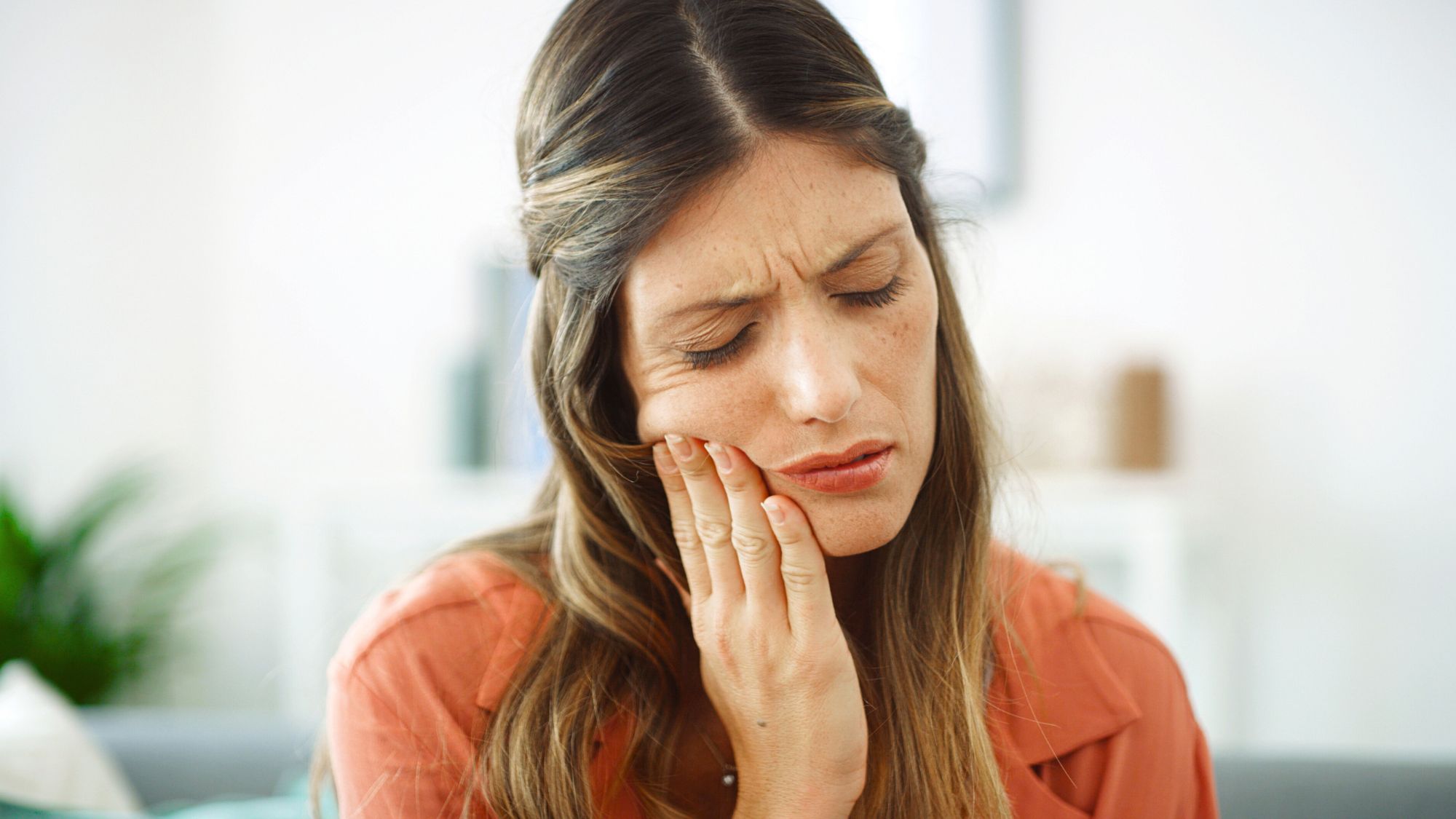
A sudden zing when you sip something cold, a dull ache that won’t go away, or sharp pain when you bite down aren’t random issues. Tooth pain is your body’s way of signaling that something isn’t right, and the cause can range from simple sensitivity to deeper issues like decay, infection, or even grinding your teeth at night.
So, why do your teeth hurt? In most cases, it comes down to exposed nerves, inflammation, or damage to the tooth or surrounding gums. This blog breaks down the 10 most common causes of tooth pain, how to recognize the symptoms, and what they could mean, so you can better understand what your mouth is trying to tell you and when it’s time to take it seriously.
1. Tooth Decay (Cavities)
The most common source of dental discomfort across all age groups remains tooth decay. The process begins when microbes in the mouth feed on remaining food particles and produce an acidic compound that dissolves the enamel. The decay then moves to the dentin layer and reaches the microtubules that connect the nerves in the teeth.
This usually occurs when the patient experiences severe pain after having sweets or when the pain persists after meals. In such cases, the problem can be fixed with a simple filling if the decay is in the early stages. However, if the decay is deep and left untreated, it can destroy the entire tooth structure and necessitate a root canal.
The Mayo Clinic emphasizes that cavities are particularly common in children, but age-related changes, such as receding gums, can make adults just as susceptible to root decay.
2. Tooth Sensitivity (Dentin Hypersensitivity)
Teeth sensitivity is the sudden electric zing felt in response to temperature changes. This is felt when the enamel is worn down or when the gum line recedes, exposing the dentin. Dentin is porous, and cold air, coffee, or acidic fruits and juices can stimulate the nerve endings in the tooth.
Although sensitivity is often a chronic problem treated with specialized toothpaste, sudden sensitivity may also signal a new crack in the tooth or a leaking filling. The distinction between generalized and tooth-specific sensitivity is an important clue that your dentist should use in diagnosing your dental problem.
Research published in the Journal of Conservative Dentistry has confirmed that tooth pain from temperature changes is caused by fluid movement in dentinal tubules.
3. Gum Disease (Gingivitis or Periodontitis)
While we often focus on the teeth, the supporting tissues are just as vital. Gum disease starts as gingivitis, characterized by red, swollen, or bleeding gums. If it progresses to periodontitis, the gums pull away from the teeth, creating pockets where bacteria thrive.
This inflammation can cause a deep, dull ache that feels like it is coming from inside the jaw. Because the bone supporting the tooth can also be affected, gum disease is a leading cause of tooth loss and chronic, low-grade oral pain that many people, unfortunately, ignore.
The CDC reports that nearly half of American adults over age 30 suffer from some form of periodontal disease, highlighting the need for regular professional cleanings.
4. Cracked or Damaged Tooth
A cracked tooth can be one of the most frustrating causes of pain because it is often invisible to the naked eye. Fractures can occur from chewing on hard objects, such as ice, or from the structural stress of a large, old silver filling. The hallmark symptom is sharp pain on release, which means it hurts specifically when you stop biting down.
This happens because the pressure of the bite opens the crack, and the release causes the tooth segments to snap back together, irritating the internal pulp.
The Cleveland Clinic notes that Cracked Tooth Syndrome is a common diagnosis for patients with localized pain who show no visible signs of decay on traditional X-rays.
5. Teeth Grinding (Bruxism)
Bruxism is the involuntary clenching or grinding of teeth, usually during sleep. This behavior places tremendous mechanical stress on the teeth, leading to tooth wear. The temporomandibular joint is also affected. A person with bruxism usually wakes up with a headache or teeth that ache all over.
Eventually, small cracks develop in the teeth, causing them to flatten. The gums also recede. Bruxism is usually caused by stress, but there is a solution that involves using night guards in conjunction with relaxation techniques.
The Sleep Foundation points out that sleep bruxism is usually a sleep-related movement disorder that is commonly seen in individuals with snoring or sleep apnea.
6. Dental Abscess or Infection
A dental abscess is a localized area of infection at the root of a tooth or in the gums. This is a serious condition, which usually causes a constant, throbbing, and unending pain that can extend to the ear, jaw, or neck. You may also feel a foul taste in your mouth or see a pimple on your gums, called a fistula, which is a sign of a dental abscess.
It is important to seek dental care treatment for an abscess, as it is an indication of the presence of bacteria in the mouth. It should be drained to prevent bacteria from spreading to the jaw or bloodstream.
According to MSD Manuals, an abscess can cause swelling in the face, which, if left untreated by a professional, can lead to systemic infections.
7. Receding Gums
Gum recession is the wearing away of the tissue that surrounds the teeth, causing them to recede or move backward. This means that some of the tooth is exposed, and in some cases, the roots are as well. Unlike the crown of the tooth, which is protected by a hard enamel covering, the roots are extremely sensitive to touch and temperature.
Recession of the gum is usually caused by brushing too hard, smoking, or genetic factors. The pain is usually localized and sharp.
According to Healthline, although it is impossible for gum tissue to reappear, various dental treatments are used to cover the roots of teeth and relieve chronic pain.
8. Impacted Wisdom Teeth
Wisdom teeth, also known as third molars, are teeth that appear at the end of the dental arch. In some people, these teeth do not have adequate space in which to come in. A tooth may come in sideways and press against another molar, or it may come in under the gum.
This pressure may cause an infection of the gum tissue covering the impacted tooth. Symptoms include swelling, difficulty opening the mouth, and a deep ache at the very back of the jaw.
According to WebMD, impacted wisdom teeth are among the most common causes of dental crowding and can even lead to jawbone cysts if left untreated.
9. Sinus Infection (Referred Pain)
The structure of the human face puts the upper molars in direct alignment with the maxillary sinuses. If the sinuses become inflamed and filled with fluid due to an infection, the pressure they exert on the nerves of the upper teeth can cause the teeth to ache.
The teeth will ache as if they have cavities when, in fact, the problem is with the sinuses. The problem with this kind of pain is that it usually worsens when one jumps up and down or bends over.
The American Journal of Rhinology & Allergy discusses how practitioners must differentiate between odontogenic (tooth-sourced) and sinusogenic pain to avoid unnecessary dental procedures.
10. Recent Dental Work or Trauma
It is quite common to experience post-operative sensitivity after receiving a new filling, crown, or root canal. The process of removing decay and shaping a tooth can temporarily inflame the nerve.
Similarly, if you have sustained a physical injury, such as a fall or a sports-related bump, the ligaments surrounding the tooth can become bruised. This results in a tooth that is tender to touch or pressure.
While this usually resolves within a few days, lingering or increasing pain should always be reported to your dental provider.
Colgate Oral Care Center explains that minor inflammation of the pulp (pulpitis) is a normal biological response to the heat and vibration of dental instruments, but it should gradually fade.
When Tooth Pain Is a Dental Emergency
Not every ache requires a same-day appointment, but certain symptoms indicate that the situation has escalated. You should seek a professional dental care treatment immediately if you notice:
Swelling: Any puffiness in the gums, face, or neck.
Fever: Indicates your body is fighting a systemic infection.
Persistent Throbbing: Pain that prevents sleep or doesn’t respond to medication.
A Pimple on the Gums: A fistula that indicates an active infection draining pus.
Final Thoughts
The pain in your tooth is your body’s way of communicating with you. The trick is not to guess, but to recognize these signs and act before things get worse. Sometimes, toothaches can indicate something is developing beneath the surface. If you are experiencing tooth pain, it is worth getting some clarity.
Care For You Dental can schedule an appointment and provide the answers you need to feel comfortable and confident.