

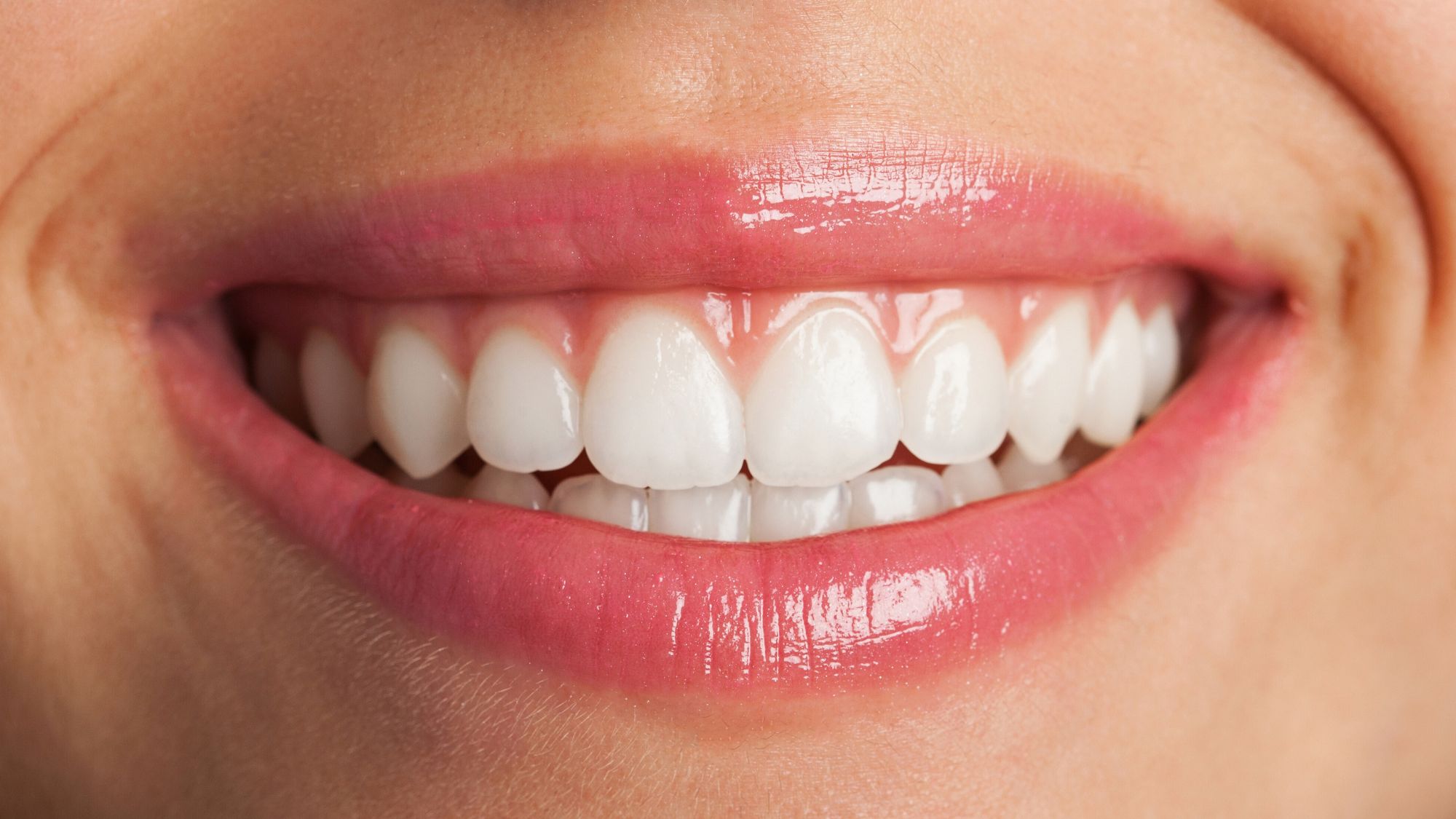
Have you ever looked in the mirror before an important meeting or family event and wondered, “Why do my teeth look dull even though I brush every day?” You are not alone. Many people notice yellowing or stains despite maintaining daily oral hygiene. Coffee, tea, aging, certain medications, and even genetics can gradually change the color of your teeth.
If you are searching for clear, medically accurate information on teeth whitening methods, safety, and stain-removal tips, this guide is for you. Below, you will find evidence-based insights, practical recommendations, and industry-backed research to help you make informed, confident, and safe decisions.
What Causes Tooth Discoloration? (Backed by Dental Science)
To fix the color, you have to understand the cause. Dental professionals categorize staining into two primary groups: extrinsic and intrinsic.
Extrinsic Stains: These live on the surface of the enamel. They are typically caused by chromogens, intense color pigments in foods such as coffee, tea, red wine, and blueberries. Tobacco use is also a major culprit, as tar and nicotine create stubborn brown and yellow deposits.
Intrinsic Stains: These stains are found deep within the tooth structure (dentin). These stains may be caused by certain medications (such as tetracycline), excessive fluoride exposure during childhood, or injury to the tooth that leads to the death of the pulp tissue inside the tooth.
Enamel Thinness: As we age, the hard, white surface layer (enamel) wears away. This exposes the layer beneath, called dentin, which is normally yellow. This explains why “whitening” an older person’s teeth may be a different process from whitening a young person’s surface stains.
As stated by the Journal of the American Dental Association (JADA), whitening success is strongly influenced by the type of stain, with extrinsic stains being much more responsive to peroxide-based products than intrinsic stains.
Professional Teeth Whitening Methods (Most Effective Options)
If you are looking for a significant transformation in a short window, professional-grade treatments are the most reliable.
In-Office Whitening
This is the most potent method available. A dentist applies a high-concentration hydrogen peroxide gel (usually $25\%$ to $40\%$) to the teeth. Often, a specialized LED or laser light is used to excite molecules in the gel, accelerating the chemical reaction.
The Benefit: You can see a change of 5 to 8 shades in a single 60-minute session.
Safety: The gums are protected by a physical barrier (liquid dam) to prevent chemical burns.
Custom Take-Home Whitening Trays
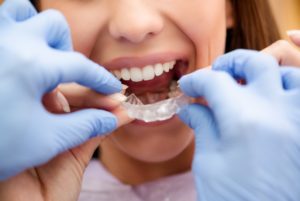
Many professionals believe this is the “sweet spot” for effectiveness and long-term retention. Your dentist will take an impression of your teeth to create a custom-fitted tray. You will then be provided with a professional-strength carbamide peroxide gel to be worn at home for 30-60 minutes a day.
The Benefit: The custom fit ensures the gel is in contact with the tooth, not the gums, reducing tooth sensitivity and allowing for even coverage.
Whitening for Sensitive Teeth
For patients who experience zingers (sharp nerve pain), professionals will use desensitizing agents such as potassium nitrate or sodium fluoride.
Research published in The Journal of Evidence-Based Dental Practice indicates that physician-supervised whitening remains the safest and most effective method for managing tooth sensitivity during bleaching.
Over-the-Counter Whitening Options: Do They Really Work?
The convenience of the local pharmacy makes OTC products popular, but their effectiveness varies widely.
Whitening Toothpastes: Most do not actually “bleach” the teeth. Instead, they use higher levels of abrasives (like silica) to scrub away surface stains. They are great for maintenance, but won’t change your base tooth color.
Whitening Strips: These use a thin layer of peroxide gel on a plastic strip. While effective for mild staining, they often miss the crevices between teeth because the strips are flat.
LED Kits: Many at-home kits now include a blue light. While these are visually impressive, many clinical studies suggest the light’s intensity in OTC kits isn’t high enough to significantly alter the whitening rate compared to the gel alone.
The American Dental Association (ADA) notes that products with the ADA Seal of Acceptance have been independently verified for safety and efficacy.
Natural Teeth Whitening Remedies: Facts vs. Myths
Social media is full of natural hacks, but many can be permanently damaging.
Baking Soda: Safe in moderation. It is a mild abrasive that can help with surface stains.
Activated Charcoal: While popular, there is no clinical evidence that it whitens teeth. In fact, it is often too abrasive and can wear down your enamel, making your teeth look more yellow as the dentin is exposed.
Acidic DIY (Lemon/Vinegar): Avoid these. The acid dissolves your enamel. Once enamel is gone, it does not grow back.
A study in the Journal of Physics: Conference Series found that activated charcoal can increase the surface roughness of enamel, making it easier for future stains to stick.
Stain Removal Tips That Actually Work
Prevention is the most effective teeth whitening service you can provide for yourself.
The Rinse Rule: After drinking coffee or red wine, swish your mouth with water immediately. This neutralizes the acid and washes away pigments.
Use a Straw: Staining fluids can be directed around your front teeth to help prevent extrinsic staining.
Floss Regularly: Stains often begin in the plaque found between teeth, causing the edges of your teeth to appear dark.
Professional Cleanings: A dental hygienist will use specialized equipment to remove tartar (calcified plaque), which cannot be removed at home and can retain stains.
The Cochrane Library provides evidence that regular professional mechanical plaque removal is necessary to maintain any whitening treatment.
To Sum Up
Teeth whitening is safe, effective, and confidence-boosting if you know your options and follow evidence-based advice. The trick is to know what you’re dealing with, choose the right technique, and protect your enamel throughout. It’s easy to make a difference with everyday practices and professional advice.
Are you ready to start your journey to a brighter, healthier smile? Contact Care for You Dental today to take the first step toward safe, trusted whitening care.