


Ever take a sip of your morning coffee, only to wince as a sudden jolt of pain shoots through a tooth? Or perhaps biting into an ice cream cone makes it feel like your teeth are screaming at you? If so, you’re experiencing teeth sensitivity to heat or cold.
It’s more than just a nuisance. That stinging, stabbing pain can pop up at any time, making something as simple as drinking hot tea, cold water, or even brushing your teeth a challenge. The problem? Many people just brush it off, assuming it’s normal when, in fact, it’s your teeth trying to tell you something that can become a bigger problem if left alone.
In this guide, we’ll walk you through what teeth sensitivity causes, what’s really going on beneath the surface of your teeth, and effective ways to treat and prevent it in real-world terms. By the end of this guide, you’ll know exactly what to do to protect your teeth, enjoy your favorite foods without pain, and take control of your oral health.
Main Causes of Teeth Sensitivity
Understanding the why behind the wince is the first step toward recovery. Sensitivity is a symptom of an underlying structural change in your mouth.
Enamel Erosion
Your enamel is the hardest substance in the human body, but it isn’t invincible. Regular exposure to acidic foods and beverages (such as soda, citrus fruits, and wine) will chemically break down the minerals in your enamel. Furthermore, Acid Reflux (GERD) can cause stomach acid to flow into the mouth, wearing away the back of the teeth.
The Mechanic: When your enamel wears away, it reveals the dentin, which is a porous layer that contains thousands of tiny channels that lead to the nerve.
According to the Journal of the American Dental Association (JADA), erosive tooth wear is a significantly increasing clinical problem linked to dietary habits.
Gum Recession
The roots of your teeth do not have a hard enamel coating; instead, they are covered by a much softer layer called cementum. If your gums recede due to age, periodontal disease, or overly aggressive brushing, these roots become exposed.
The Impact: Since cementum wears away easily, the nerves in the roots become highly vulnerable to cold air and liquids.
The American Academy of Periodontology notes that gum recession affects nearly 50% of adults to some degree, often leading to increased sensitivity.
Tooth Decay or Cavities
A cavity is essentially a hole in your tooth’s defenses. As decay progresses, it moves through the enamel and hits the dentin. If the decay reaches the pulp (the center of the tooth, containing blood vessels and nerves), the sensitivity shifts from a flash of pain to a lingering, throbbing ache.
Cracked or Chipped Teeth
Even a tiny, invisible fracture can cause havoc. When you bite down, a cracked tooth can flex, irritating the internal pulp. These cracks also provide a direct highway for bacteria and extreme temperatures to reach the nerve.
Teeth Whitening Treatments
Many people experience zingers during or after professional or at-home whitening. This happens because whitening agents (peroxides) temporarily open the pores in your enamel to lift stains, which also makes the teeth more permeable to temperature for 24 to 48 hours.
Dental Procedures
It is common to feel sensitivity after getting a new composite filling, crown, or even a deep professional dental cleaning. This is typically due to the inflammation of the dental pulp during the procedure. This post-operative sensitivity usually subsides within a few weeks.
Professional Treatments for Teeth Sensitivity
If over-the-counter methods aren’t cutting it, dental professionals have several high-tech tools to plug the leaks in your dentin.
Desensitizing Toothpaste: These toothpastes contain ingredients such as potassium nitrate, which help prevent pain signals from reaching the nerve by blocking them at the tooth’s surface. Important: It may take 2-4 weeks to notice the effectiveness of this remedy.
Fluoride Treatment: A high-fluoride varnish can be applied in a dentist’s office to make teeth more resistant to pain signals.
Dental Bonding: If sensitivity is due to root exposure, a dentist can apply a tooth-colored resin to cover the area.
Gum Grafting: If the recession is severe, a portion of gum tissue can be transplanted to the area to cover the root and reduce sensitivity.
Root Canal: If the nerve is permanently damaged or dying, a root canal is the only solution to make the tooth completely pain-free.
Research published in The Lancet highlights that potassium-based toothpastes are a primary and effective first-line treatment for dentin hypersensitivity.
Daily Care Tips to Prevent and Manage Sensitive Teeth
Managing your oral health at home is the most sustainable way to keep sensitivity at bay.
Use a Soft-Bristled Toothbrush: Hard bristles can act like sandpaper on your gums and enamel. Switch to Soft or Extra-Soft.
Brush Gently: It’s about the thoroughness, not the force. Use circular motions rather than a sawing motion.
Limit Acidic Intake: If you drink soda or lemon water, use a straw to bypass the teeth, and never brush immediately after, wait 30 minutes for your saliva to re-harden the enamel.
Rinse with Water: After eating something acidic, rinse your mouth with plain water to neutralize the $pH$ level.
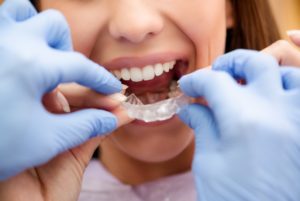
Wear a Night Guard: If you wake up with sore jaws, you might be grinding your teeth (bruxism), which fractures enamel over time.
Expert Insight: The Science of Dentin Hypersensitivity
From a clinical perspective, sensitivity is governed by the Hydrodynamic Theory. This theory suggests that when dentin tubules are exposed, fluid movement within these tubules (caused by heat, cold, or pressure) triggers receptors in the dental pulp.
Early diagnosis is crucial because tooth sensitivity can mimic the symptoms of a cracked tooth or a failing restoration. Maintaining a neutral pH in the mouth and ensuring the”smear layer (a natural protective film) remains intact is the biological goal of any sensitivity treatment plan.
The International Journal of Dentistry confirms that the occlusion (plugging) of dentinal tubules is the most scientifically sound method for treating hypersensitivity.
Conclusion
At the end of the day, tooth sensitivity shouldn’t stop you from enjoying the foods you love. Whether your discomfort comes from enamel wear or receding gums, remember that this is a very treatable condition.
By switching to gentler brushing habits and seeking professional advice early, you can protect your smile’s long-term health and avoid more costly procedures down the road. You deserve to eat and drink without fear of that sharp, sudden sting.
Ready to find lasting relief?
Care for You Dental is here to help you pinpoint the exact cause of your sensitivity. Schedule a visit with our friendly team today to get a personalized treatment plan and get back to smiling comfortably!