Root Scaling and Planing
Las Vegas, NV
If you have gum disease, you may need a root scaling and planing procedure to help get rid of it. This is a serious condition that can lead to eventual bone and tooth loss. We will go through every treatment we can to prevent gum disease and other painful conditions. At Care For You Dental, we recommend that you visit our dental office twice per year so we can do just that. We want to remove plaque and tartar before they can cause gum disease, gum recession, and the need for this procedure. However, if you do need a root scaling and planing procedure, we can help and we can ensure that you are as comfortable as possible during it.
What is periodontal scaling and root planing?
In this procedure, the plaque and tartar underneath the gum tissue is removed. This can be done using a metal dental tool, and ultrasound energy. A dentist will break up the plaque and tartar before scraping it out. If the roots have plaque buildup as well, the root planing procedure will scale them to remove the plaque and then smooth out any rough areas so the tooth can be both healthy and fully functional.
How long does root scaling and planing take?
In most cases, this procedure will need to be broken up into four appointments. This allows a dentist to separate your mouth into quadrants and clean each one of them individually. Since the process is very methodical, it takes longer than the standard teeth cleaning and your gums may experience some irritation and swelling. By only cleaning one area of the mouth at a time, the process is more manageable and the recovery time is reduced.
Will the dentist use anesthesia?
Yes. Your gums will be numbed before the root scaling and planing procedure starts. Some dentist may also use nitrous oxide or other forms of sedation to help relax you prior to getting started. When sedation is used, a dentist can sometimes complete more of the procedure in one sitting. Additionally, you may want to use a desensitizing toothpaste afterward in order to further numb the gums.
What are the risks involved the procedure?
There is a risk of developing an infection from this procedure. You can help reduce the risk by rinsing with warm saltwater throughout the day and keeping your teeth clean. We may also prescribe you an antibiotic rinse to use. However, the biggest risk comes from not having the procedure completed at all. That can lead to more severe gum disease, gum recession, and even tooth loss
What should I expect during and after root scaling and planing?
During the procedure, you can expect for your gums to be numbed and for your teeth to be very slowly and methodically cleaned. Very often, an ultrasound is used to help break up the plaque and tartar before a dental tool scrapes it off of the tooth. Since your gums will be numb, you will feel some pressure but should not feel any direct pain or discomfort. However, afterward, your gums will be sore, they will swell, and may ache in general. You can help control this with ibuprofen and ice packs if necessary. Typically, the worst part is over within four hours, so you may just want to go home and sleep. In the rare case your jaw feels sore and stiff, you can place a warm compress on it.
For several days to a week or more, you may experience some sensitivity when eating, especially if you are eating anything sweet. One way to address this is to use something soft to clean the area and then place a desensitizing toothpaste on a Q-tip so it can be gently applied to the area around your gums.
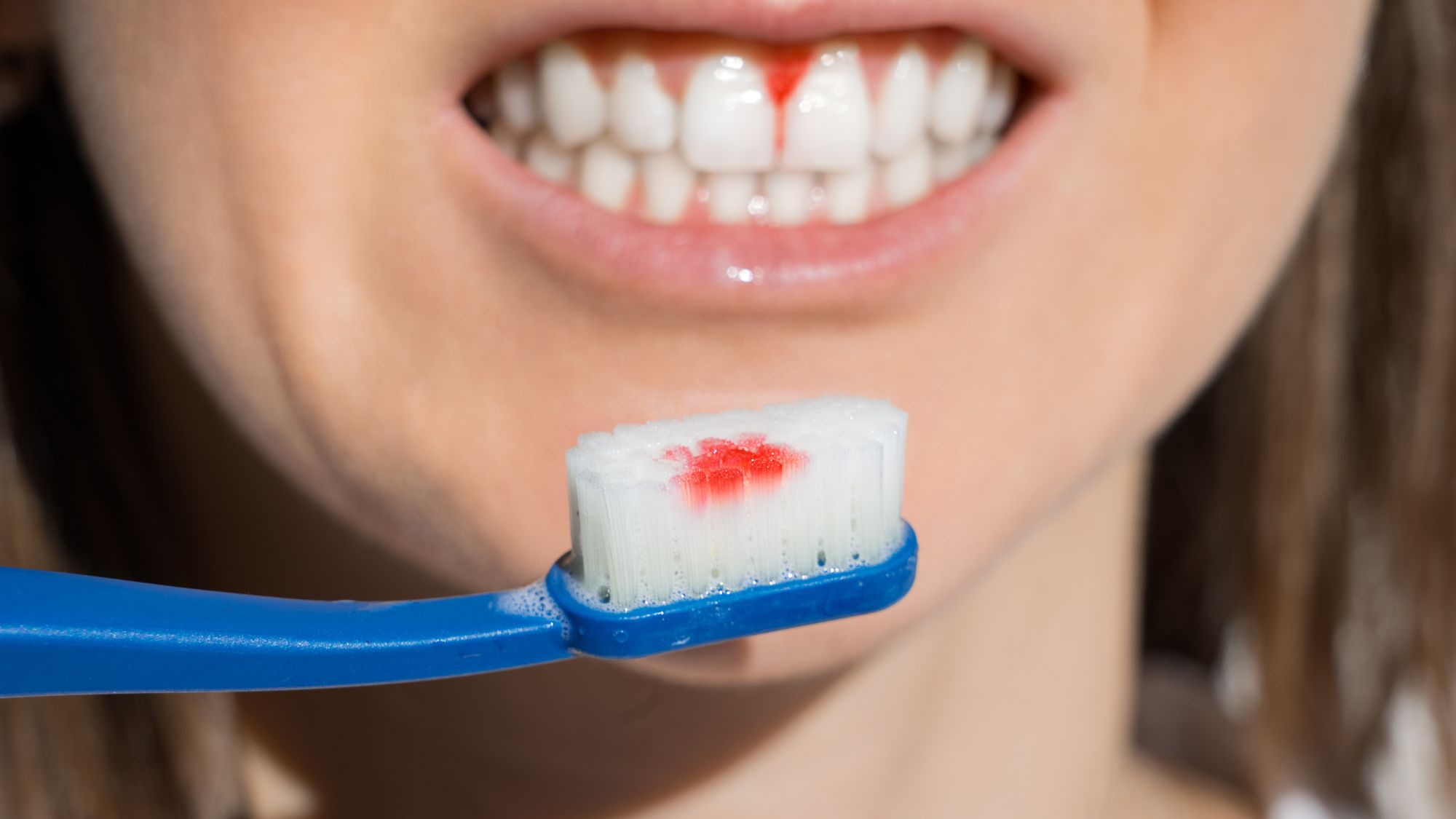
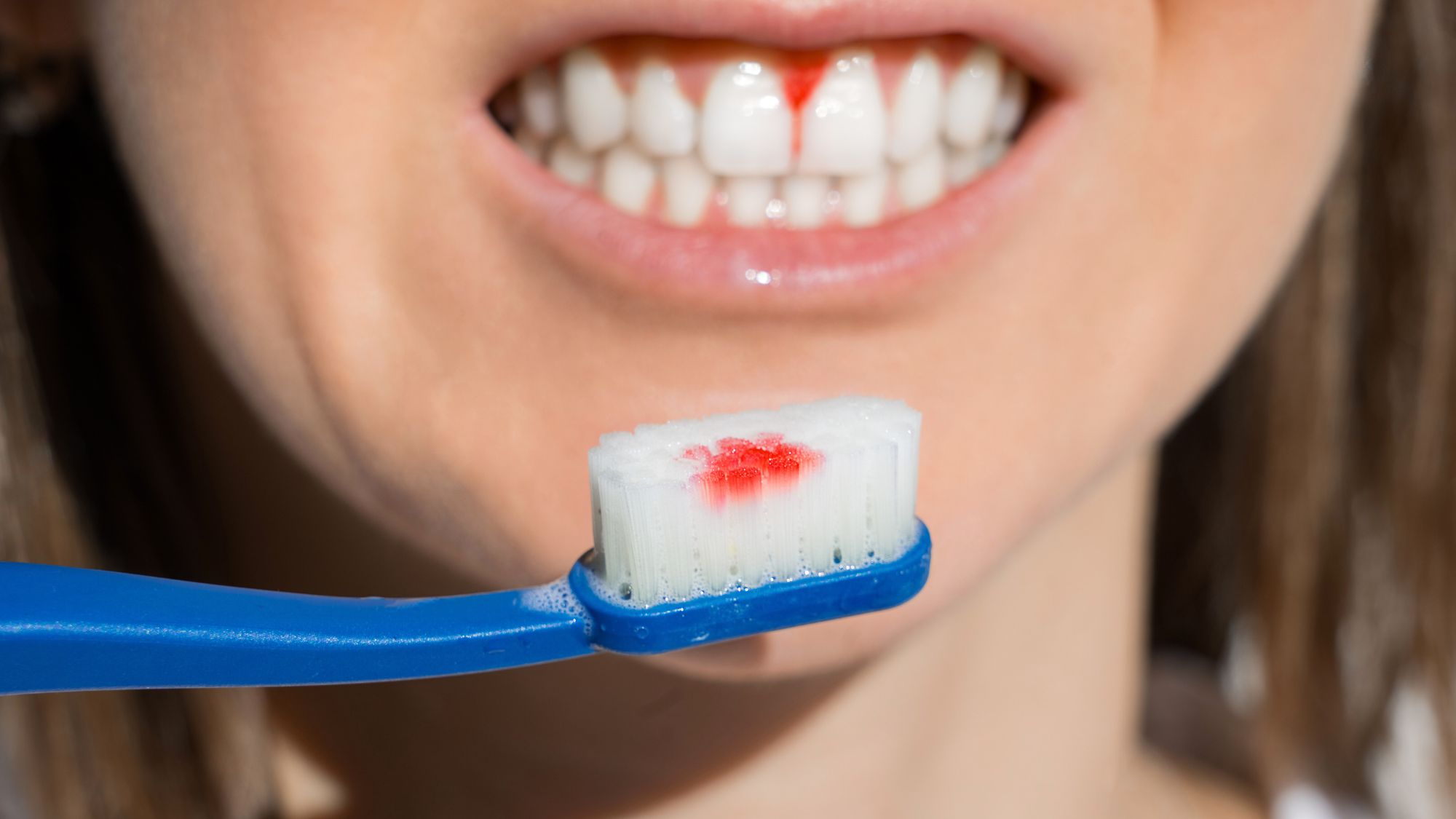
There will be some bleeding when you brush your teeth, but this should only last for a day or two. Just remember to be gentle when brushing around your gums.
Are there any warning signs to watch for after the procedure?
Yes. If your gums are bleeding excessively, you develop a hard boil (bump) inside your mouth, or the irritation persists for more than two weeks, you should schedule an immediate follow-up appointment.
Can I eat like normal after a root scaling and planing procedure?
No. We recommend that you avoid anything hot for two days and that you do not eat anything crunchy like nuts or chips for four days. This is to ensure that your gums do not experience any further irritation. Simultaneously, your gums may be sensitive to sugar, so avoid any candy or treats for several days. If you have a sweet tooth, try a sugar-free popsicle instead.
What happens to my gums after they heal from the procedure?
Your gums should begin to return to normal, and there should be no restrictions long term regarding what you can eat. By removing the plaque and tartar, your gums should begin to return to good health. This means that the swelling you have been experiencing will be reduced, they should return to a healthy pink color, and they will no longer be irritated in general. As long as the procedure works as it should, you will not need more invasive gum procedures. However, if you have waited a long time and your gums have already started to recede, this may not be enough. You may also require a future gum grafting procedure.
Will I need follow-up procedures?
Typically, you will need to return to your Las Vegas dentist within six months for a follow-up visit. This is to ensure that your gum health has improved. However, the only real follow-up procedure you need is to visit our office for a teeth cleaning. At Care For You Dental, we recommend that you have your teeth cleaned every six months. This will prevent plaque and tartar from building up again so you are unlikely to need a root scaling and planing procedure in the future.
Get Your Questions Answered
At Care For You Dental, we enjoy discussing oral health. If you have questions about your gums or a root scaling and planing procedure, call (702) 765-4018 and schedule an appointment with our Las Vegas, NV dental office.
Definition of Periodontic Terminology
Calculus
Calculus, also known as tartar, refers to the hardened dental plaque that forms on teeth due to a lack of proper oral hygiene.
Conventional Periodontal Therapy
Conventional periodontal therapy is a non-surgical treatment that is also known as a deep cleaning or “Scaling and Root Planing.”
Debridement
Debridement is the process in which the patient’s teeth have thick layers of plaque that require a specialized procedure for removal.
Deep Cleaning
Also known as scaling and root planing, a deep cleaning involves the removal of plaque within the pockets or space between the teeth and gums.
Gingival Flap Surgery
Gingival flap surgery is a procedure in which the periodontist separates the gums from the teeth temporarily to reach the root of the tooth and nearby bone.
Tartar
Tartar is a hard calcified deposit of plaque and bacteria that forms on the teeth and promotes further decay of the enamel.
Necrotizing Periodontal Diseases
A necrotizing periodontal disease is a disease that involves the necrosis of gingival tissues and lesions forming in the mouth.
Non-Surgical Periodontal Therapy
Non-surgical periodontal therapy can include treatment such as root scaling and planing, which is a deeper dental cleaning to remove tartar from the mouth.
Periapical Abscess
A periapical abscess is an abscess that forms from inflammation containing pus in the tissue surrounding the tooth.
Periodontal Ligament
A periodontal ligament is a tissue that connects the tooth to the bone and is destroyed by advanced periodontal disease.
Periodontitis
Periodontitis is a lethal gum infection that results from poor oral hygiene, damaging soft tissue and destroying the bones that support the teeth.
Periodontium
The periodontium is the tissue that surrounds and supports the teeth, gums, periodontal ligament and bone.
Plaque
Plaque is a sticky film consisting of bacteria that coats the teeth after consuming various foods and beverages, requiring brushing to remove.
Pocket Depth
Pocket depth is the method for measuring the gum pockets surrounding the teeth to determine the overall health of the gums.