

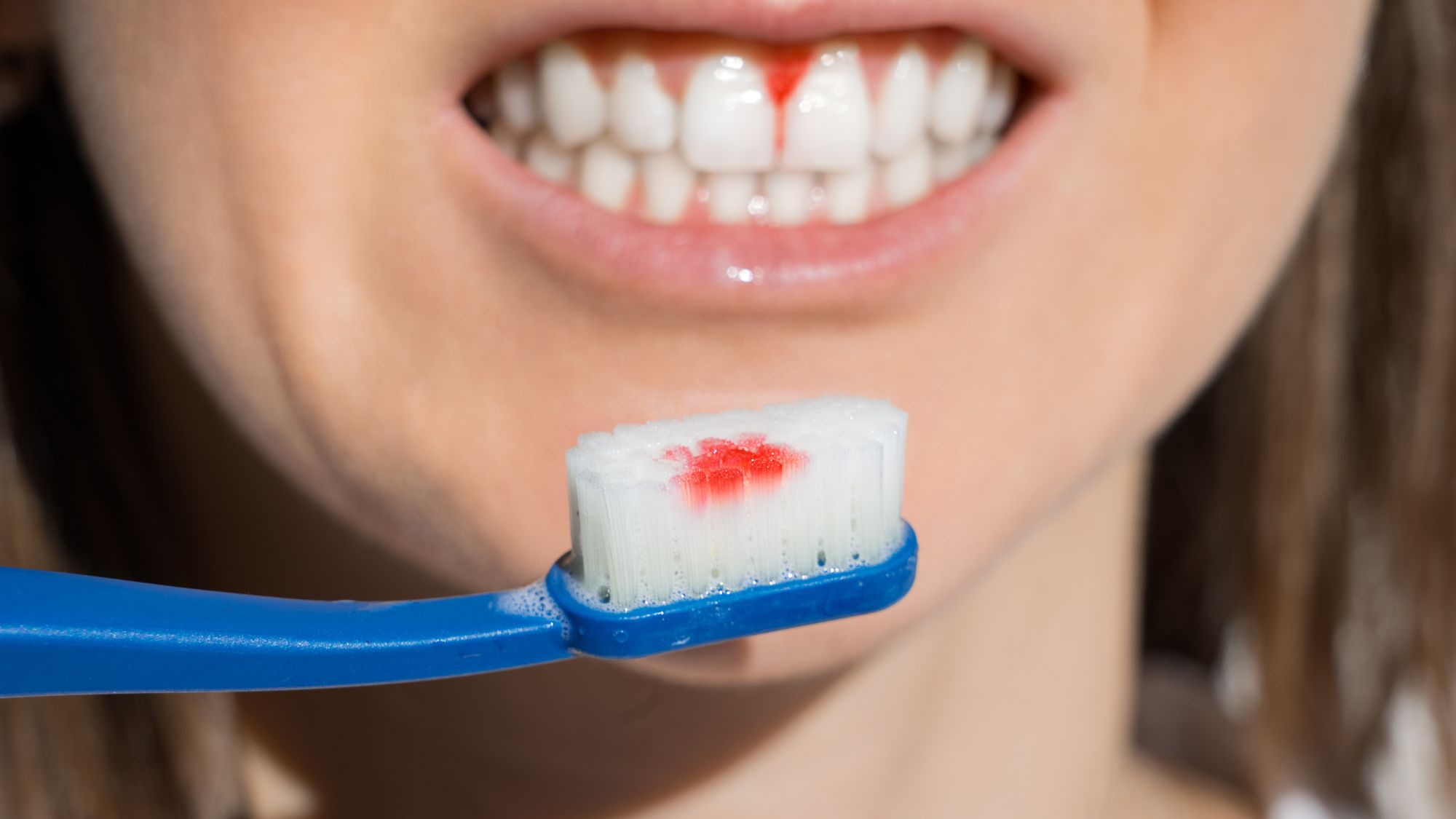
Bleeding gums during brushing or flossing are often dismissed as a minor issue, but they are one of the earliest warning signs of underlying health problems. In many cases, the root cause is not just poor oral hygiene but specific nutritional deficiencies that weaken gum tissue, impair blood clotting, and slow healing. Deficiencies in Vitamin C, Vitamin K, iron, and essential B vitamins are among the most common reasons gums become inflamed and start bleeding.
This blog explains the 10 key deficiencies that cause bleeding gums and how each one impacts your oral health at a biological level. You will also learn how to identify early symptoms and take the right corrective steps to restore gum strength and prevent long-term complications.
The 10 Deficiencies That Cause Bleeding Gums
When you notice blood after brushing, it is a physiological signal that your gums lack the structural integrity or immune support required to stay healthy. These ten nutritional deficiencies represent the most critical gaps that lead to fragile oral tissues and chronic inflammation.
1. Vitamin C Deficiency (Scurvy Risk)
Vitamin C serves as the primary biological catalyst for collagen synthesis, which is the structural protein that makes up your gum tissue. When your levels are insufficient, the collagen fibers that anchor your teeth and support your capillaries begin to disintegrate. This leads to gums that appear spongy or bruised and bleed under minimal pressure.
Beyond simple bleeding, a chronic lack of this nutrient prevents the mouth from healing minor abrasions caused by eating hard foods. Incorporating citrus fruits or bell peppers can help restore these vital tissue connections.
Research confirms that low plasma vitamin C levels are a significant predictor of gingival bleeding, even in individuals with otherwise good hygiene.
2. Vitamin K Deficiency
Vitamin K is the master regulator of the coagulation process, which allows your body to stop bleeding after an injury. If you are deficient in this fat-soluble vitamin, your blood lacks the necessary proteins to form clots effectively. In the context of oral health, this means that the tiny microtraumas that occur during flossing do not seal properly, leading to persistent oozing.
Many people mistake this for gum disease when it is actually a systemic failure of the blood to clot. Increasing your intake of leafy greens is the standard way to fix this gap.
Clinical data highlights that Vitamin K1 and K2 are essential for the carboxylation of proteins that manage bone and blood health.
3. Iron Deficiency (Anemia)
Iron is the core component of hemoglobin, which carries oxygen to the mucosal tissues of the mouth. When iron levels are low, your gums lack oxygenated blood, which makes them pale and physically weak. This state of anemia reduces the gums’ ability to fight off common oral bacteria, leading to frequent infections and easy bleeding.
Patients often report that their gums feel tender and look washed out rather than healthy coral pink. Rebalancing iron intake through red meat or legumes can significantly improve tissue resilience.
Anemia is clinically associated with an increased prevalence of periodontal pockets and inflammatory responses at the gingival margin.
4. Vitamin D Deficiency
Vitamin D acts as a powerful anti-inflammatory agent and a precursor to the immune system response in the oral cavity. It helps your body produce antimicrobial peptides that actively destroy the bacteria responsible for plaque. Without enough Vitamin D, your gums become hypersensitive to even small amounts of bacteria, leading to rapid swelling and bleeding.
Additionally, this deficiency hinders your body’s ability to absorb calcium, further weakening the bone supporting your teeth. Regular sun exposure and fortified foods are essential for maintaining these defensive barriers.
Higher serum Vitamin D levels are associated with reduced tooth loss and lower rates of gingival attachment loss.
5. Vitamin B12 Deficiency
Vitamin B12 is crucial for the health of your red blood cells and the maintenance of your nervous system. A deficiency often manifests in the mouth as atrophic glossitis or generalized gingival inflammation. When B12 is low, the gum lining becomes very thin and fragile, making it susceptible to tearing during routine activities like chewing.
This can also cause a burning sensation in the mouth that accompanies the bleeding. Supplementing with B12 or eating animal proteins is usually necessary to repair the mucosal lining.
B12 deficiency is a known cause of oral mucosal changes, including recurrent ulcers and heightened gingival sensitivity.
6. Folate (Vitamin B9) Deficiency
Folate is necessary for rapid cell turnover, which is essential for the mouth because gum cells are replaced more frequently than almost any other tissue. When folate is lacking, the body cannot produce new, healthy cells to replace old ones. This results in red, inflamed gums that are extremely prone to bleeding because the protective barrier is essentially worn thin.
This deficiency is particularly common during pregnancy when the demand for folate increases. Adding more beans and fortified grains can help the gums regenerate.
Studies show that topical and systemic folate can reduce the severity of gingival inflammation by supporting cellular repair.
7. Calcium Deficiency
Calcium is the foundational mineral for your jawbone and the enamel of your teeth. While many focus on the teeth, a lack of calcium causes the alveolar bone to lose density, which, in turn, weakens the gums’ attachment to the bone.
As the gums pull away or become loose, they create pockets where bacteria thrive, leading to chronic infection and bleeding. Without sufficient calcium, the mouth’s physical architecture begins to fail. Dairy products and leafy greens provide the calcium needed to keep the gum line stable.
Low dietary calcium intake has been shown to increase the risk of developing periodontal disease across various age groups.
8. Zinc Deficiency
Zinc is a trace mineral that plays a massive role in the body’s ability to heal wounds and synthesize proteins. In the mouth, zinc inhibits plaque formation and helps repair the tiny tears that occur in the gum tissue daily.
If you are deficient in zinc, your body takes much longer to heal, which means a small scratch from a chip or a toothbrush can bleed for days. It also acts as an antioxidant, protecting the gums from chemical stress. Seeds and nuts are excellent sources of zinc.
Zinc deficiency is associated with a decreased immune response in the oral mucosa, making the gums more susceptible to bacterial colonization.
9. Magnesium Deficiency
Magnesium is a vital cofactor in over 300 biochemical reactions, including those that regulate inflammation and bone health. It specifically helps to regulate the inflammatory cytokines in your gums that respond to plaque. When magnesium levels are low, your body overreacts to bacteria, leading to excessively swollen, bloody gums.
Research shows that people with higher magnesium levels have shallower periodontal pockets and better overall gum health. Whole grains and dark chocolate can significantly boost your magnesium levels.
Clinical trials indicate that magnesium supplementation can improve the outcomes of gum bleeding treatment and periodontal therapy.
10. Protein Deficiency
Protein provides the amino acids that serve as the building blocks for every tissue in your mouth. Since gums have a high turnover rate, they require a constant supply of protein to maintain their density and strength.
A low-protein diet leads to breakdown of connective tissue in the gingiva, making it flabby and prone to bleeding. This is often seen in individuals with very restrictive diets or those who do not consume enough calories. Ensuring adequate protein intake is essential for long-term gum health.
Protein energy malnutrition is a recognized factor in the degradation of oral tissues and the progression of inflammatory gum disease.
Other Causes of Bleeding Gums You Shouldn’t Ignore
Although good nutrition is an essential element for having healthy teeth, it’s not everything. When you have a perfectly balanced diet, but the bleeding continues, try looking for these common causes:
Gingivitis and Periodontitis: These are the number one causes of bleeding. These are plaque-causing bacteria that irritate the gum lining.
Hormonal Fluctuations: The increased progesterone levels during pregnancy, menopause, and puberty may lead to increased blood flow to the gums.
Excessive Brushing: Using a medium- or hard-bristle toothbrush can mechanically wear down the gum lining.
Some Medications: Antidepressant drugs, blood thinners, and high blood pressure medications, affect the mucous membrane and may make it more susceptible to bleeding.
How to Fix Bleeding Gums Caused by Deficiencies
A targeted approach that combines proper nutrition with consistent oral care can help reduce inflammation and support faster healing.
Improve Your Diet
The most sustainable way to stop bleeding gums is through a food-first approach. Focus on incorporating foods high in Vitamin C (such as oranges, bell peppers, and strawberries), Vitamin K (such as kale, spinach, and broccoli), and Iron (such as lean meat and lentils). It is important to decrease refined sugars because sugars serve as fuel for those bacteria.
Use the Right Oral Hygiene Routine
If your gums are already sensitive, you need a gentle approach. Switch to a soft-bristled brush and use a gum-bleeding treatment approach, cleaning along the gum line at a 45-degree angle. Daily flossing is non-negotiable because it removes plaque that vitamins alone cannot remove.
Consider Supplements (If Needed)
If you’re on a specialized diet (like a vegan diet, a keto diet, or others), you may need additional energy. You can try taking some multivitamins or special vitamins, such as C and D3. Nonetheless, before doing so, be sure to visit a doctor first.
When Should You See a Dentist?
Nutrition can do a lot, but it cannot remove hardened tartar (calculus). You should seek professional help if:
- Bleeding lasts more than 7-10 days despite improved diet and hygiene.
- Your gums are receding or pulling away from the teeth.
- You have persistent bad breath that won’t go away.
- Do you notice any loose or shifting teeth?
FAQs
Which deficiency causes bleeding gums the most?
Vitamin C is historically the most linked deficiency. Without it, your body cannot produce the collagen needed to keep gum tissue strong.
Can bleeding gums be reversed naturally?
Yes, if the cause is early-stage gingivitis or a nutritional deficiency. By correcting your diet and maintaining strict oral hygiene, gums can often return to a healthy state within two weeks.
Are bleeding gums a sign of serious disease?
In some cases, yes. It can be an early indicator of diabetes, clotting disorders, or systemic inflammation. If lifestyle changes don’t work, medical testing is advised.
To Wrap It Up
What’s important to know is that oral hygiene goes beyond brushing and flossing alone. Bleeding gums are often an important indicator of your body’s overall health and nutritional balance.
To solve this problem once and for all, it is crucial to understand the specific deficiency you have in mind and start taking the right supplements. In that case, you can strengthen your gums. Call Care For You Dental Clinic today to book your appointment.