Emergency Tooth Extraction
for Instant Relief

How do I manage pain after an emergency tooth extraction?

Take any pain medication prescribed by your dentist. Apply ice packs to reduce swelling, avoid hard or hot foods, and rest as much as possible. Keep your head elevated to control bleeding and prevent discomfort.

What should I do if complications arise after an emergency extraction?

Contact your emergency dentist immediately. Signs like severe pain, prolonged bleeding, swelling, or fever may indicate infection or dry socket. Quick professional care can prevent further problems and speed up healing.

Quick Emergency Removal of Damaged Teeth

Las Vegas, NV

Sudden tooth pain or a dental injury can’t wait. At Care For You Dental, we provide same-day emergency tooth extractions in Las Vegas to relieve your pain fast, stop infections, and protect your oral health. Our experienced team acts quickly to determine if a tooth can be saved, or if extraction is necessary, all while keeping your comfort our top priority.

  • Immediate emergency evaluation and pain relief
  • Preservation of natural teeth whenever possible
  • Safe, fast, and comfortable emergency extractions
  • Expert dentists trained in urgent dental care


Call now: (702) 765-4018 – Get same-day relief for your dental emergency. Don’t wait while the pain worsens.

If a tooth is severely damaged, infected, or causing intense pain, our team will quickly assess the situation and provide the safest solution. Even in urgent cases, your comfort, oral health, and long-term dental care remain our highest priorities.

What Is Emergency Dental Tooth Removal?

Emergency dental tooth removal is a procedure performed without delay to address urgent problems. Unlike routine extractions, these situations require immediate attention when a tooth is causing intense pain, swelling, or poses a risk of spreading infection. Our goal is to quickly stabilize your dental health and provide comfort.

Signs You Need Urgent Tooth Removal

You should seek emergency dental care if you experience:

  • Severe, persistent tooth pain that doesn’t improve with over-the-counter pain medication.

  • Swelling or pus around the tooth or gum indicates an infection.

  • A broken, cracked, or loosened tooth from trauma or decay.

  • Difficulty chewing or opening your mouth due to pain or swelling.

  • Spreading infection that threatens other teeth or your overall health.

Check out what others are saying about our services on Yelp: Tooth Extraction Las Vegas

The Emergency Tooth Extraction Procedure

When a tooth becomes severely damaged or infected, immediate care is crucial. Our emergency tooth extraction process is designed to be safe, efficient, and as comfortable as possible, while addressing the source of pain and preventing further complications. Below is a detailed breakdown of what you can expect:

Initial Evaluation and Diagnosis

When you arrive at our office, our dental team performs a thorough examination of your mouth. We assess the affected tooth, surrounding gums, and overall oral health. X-rays or other diagnostic tools are often used to determine the severity of the damage, whether the tooth is infected, broken, or compromised, and to plan the safest approach for extraction.

Pain Management and Comfort

Your comfort is our top priority. Local anesthesia is administered to numb the area around the affected tooth, ensuring a pain-free procedure. For patients who are anxious or nervous, sedation options are available to help you feel relaxed and at ease throughout the extraction.

Tooth Extraction Procedure

Depending on the condition of the tooth, our team will perform either a simple or surgical extraction:

  • Simple Extraction: Used for teeth that are fully visible and easily accessible. The tooth is carefully loosened and removed with minimal disruption to the surrounding tissue.

  • Surgical Extraction: Required for teeth that are impacted, broken, or located beneath the gum line. In these cases, a small incision may be made to safely remove the tooth.

Every step of the procedure is handled by experienced professionals to ensure precision, safety, and minimal discomfort.

Post-Extraction Care and Instructions

After the tooth is removed, we provide detailed aftercare instructions to support healing. This includes guidance on managing swelling, controlling bleeding, preventing infection, and promoting comfort. You’ll learn how to care for the extraction site, what foods to eat, and how to take medications if prescribed. Follow-up appointments are scheduled as needed to monitor your recovery.

Emergency Dental Terminology Explained

Emergency Tooth Extraction

Emergency tooth extraction is the urgent removal of a tooth that is causing severe pain, infection, or has been damaged due to trauma. Unlike routine extractions, emergency extractions are performed immediately to relieve discomfort, prevent infection from spreading, and protect surrounding teeth. This procedure is critical when a tooth cannot be saved or poses a risk to your overall oral health.

Acute Dental Trauma

Acute dental trauma refers to sudden injuries to the teeth, gums, or jaw, often caused by accidents, sports, or falls. These injuries may include fractured or knocked-out teeth, soft tissue damage, or severe pain that requires immediate attention. Emergency tooth extraction may sometimes be necessary if the damaged tooth cannot be restored.

Dental Abscess

A dental abscess is a pocket of infection that forms at the root of a tooth or in the surrounding gum tissue. It often results in intense pain, swelling, and fever. In some cases, emergency tooth extraction is required to remove the infected tooth and stop the infection from spreading to other parts of the mouth or body.

Tooth Fracture

A tooth fracture occurs when a tooth breaks due to trauma, grinding, or biting on hard objects. While minor fractures can sometimes be repaired, severe fractures affecting the root or pulp often require emergency tooth extraction to prevent infection and relieve pain.

Impacted Tooth

An impacted tooth is one that fails to fully emerge from the gum line and may become painful or infected. In emergency situations, an impacted tooth can cause severe discomfort, swelling, or damage to neighboring teeth, making urgent extraction necessary.

Severe Tooth Decay in Emergency Situations

While tooth decay is often managed with fillings or crowns, in emergencies, decay can progress rapidly and cause intense pain or infection. When a tooth is too damaged to repair, emergency tooth extraction becomes the safest option.

Dental Infection

Dental infections can occur due to untreated cavities, injuries, or gum disease. Signs of infection include severe pain, swelling, fever, or pus around the tooth. Emergency extraction is sometimes required to stop the infection and protect overall oral health.

Knocked-Out Tooth (Avulsion)

A knocked-out tooth is a dental emergency that requires immediate attention. If the tooth cannot be replanted successfully, extraction may be necessary to prevent infection and prepare for future restorative options.

Jaw Pain Related to Emergency Dental Issues

Severe jaw pain, especially when accompanied by swelling or difficulty opening the mouth, can indicate infection, trauma, or impacted teeth. In some cases, removing the problematic tooth through emergency extraction is necessary to relieve pain and restore oral function.

Emergency Oral Surgery

Emergency oral surgery encompasses procedures like emergency tooth extraction, removal of impacted teeth, and treatment of severe dental injuries. These surgeries are performed immediately to relieve pain, prevent infection, and preserve oral health.

Emergency Dental Care

Emergency dental care refers to any dental treatment that addresses sudden, severe, or life-threatening dental problems. This includes emergency tooth extraction, treatment of dental trauma, abscess drainage, and urgent repair of fractured teeth. Prompt attention is essential to reduce pain and prevent further complications.

Importance of Prompt Action

Emergency situations require quick and decisive dental care. Delaying treatment can lead to severe pain, swelling, infection, or damage to surrounding teeth. Our emergency dental team is trained to assess each situation quickly and determine if tooth extraction or another urgent procedure is needed to protect your oral health.

About our business, license, and website security

Care For You Dental has been helping patients in Las Vegas since 2018, offering fast and reliable emergency dental care. We serve Clark County, including Henderson, Pahrump, Boulder City, and Summerlin, and accept all major payments.

Our office is ready to handle urgent dental problems, from severe tooth pain to injuries, with a focus on comfort, safety, and quick relief. Our website and systems are fully secure to keep your information safe.

Norton Safe Web. View Details

Trend Micro Site Safety Center. View Details

Book An Appointment

Get a Quote

What Our Patients Are Saying

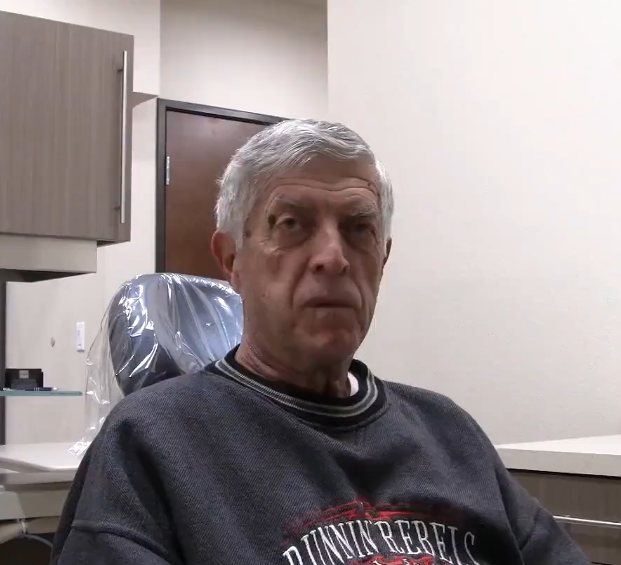
Watch Real Patient Testimonials and Discover How We Help Families Smile With Confidence Every Day.

4.9/5 (100+ Reviews)

Frequently Asked Questions

Do I need an appointment, or do you accept walk-ins?
We recommend visiting every 6 months for a routine exam and cleaning. However, some patients may need more frequent visits depending on their oral health.

We provide a wide range of dental services, including routine checkups and cleanings, emergency dental care, tooth extractions, root canal treatment, cosmetic dentistry (crowns, veneers, bonding), and dental implants.

We recommend visiting every 6 months for a routine exam and cleaning. However, some patients may need more frequent visits depending on their oral health.

If you are experiencing severe tooth pain, swelling, bleeding, or a broken/chipped tooth, contact us immediately. We offer emergency dental care and will try to schedule you as soon as possible.

Yes. We treat patients of all ages, including children. We also help patients with dental anxiety by providing a calm environment and discussing comfort options, including sedation when appropriate.